Commercial Waste Removal in Highgate

Commercial waste removal in Highgate is about keeping workplaces clear, compliant and ready to operate without avoidable clutter. We handle routine business waste, one-off clearances and more specialised collections where the material needs sorting before it leaves the premises. The service is designed for offices, shops, hospitality venues, studios and other commercial settings that need a straightforward way to move waste off site and into the right disposal route.
Our approach focuses on practical collection and sensible segregation. That can include mixed office waste, packaging, unwanted fixtures, redundant furniture and other non-hazardous commercial items that have reached the end of their useful life. Where a business needs a broader clearance, we can also help with heavier or bulkier items as part of a managed removal. Clearer premises often mean easier day-to-day operations, and a well-organised collection plan helps keep that process under control.
Alongside the main collection work, the process usually starts with a simple review of what needs removing and how access is arranged. Access details, item types and any lifting considerations are useful because they help shape the removal method and the vehicle choice. If you are planning a clearance in stages, it can be helpful to group items by area or type before collection. For a straightforward start, you can request a quotation and outline the waste that needs attention.
Business waste collections for regular and one-off needs
Commercial premises generate waste in different patterns, so the most useful service is often one that can adapt. Some businesses need occasional clear-outs after refurbishments, stock changes or office moves, while others need a more routine removal of accumulated waste. Our business waste removal service covers both situations, with collections shaped around the type and volume of material rather than a single fixed format.
Typical items can include paper, cardboard, mixed packaging, shelving, desks, chairs, filing materials and general non-confidential office waste. In many cases, the most efficient collection plan is built around separating what can be reused, recycled or disposed of through the appropriate channel. That is where a clear list of items helps. If you are comparing options, choose a service that matches the actual waste stream, not just the amount being cleared.
Useful ways to prepare a collection
The best preparation is usually modest and practical. Keep access routes open where possible, identify any items that must stay on site and make a note of anything unusually heavy, awkward or fragile. A short written description is often enough for a quotation, though photographs can help when there are several item types or awkward loading conditions. If the collection involves multiple rooms or floors, a brief note about where the items are located can save time on the day.
Office and workplace clearances
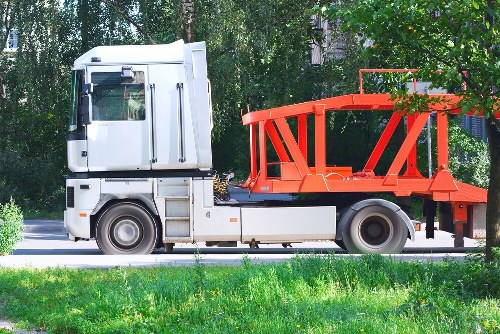
Office clearance work is usually more involved than a simple bag-and-bin collection, because it often includes furniture, equipment, storage units and general waste from desks, meeting rooms and shared areas. We can remove redundant items that no longer support the way the workplace is used, whether that follows a move, a reconfiguration or a long-overdue tidy-up. A well-planned clearance makes it easier to keep only the items that remain useful.
In commercial offices, the key is to remove the right items in the right order. That may mean clearing reception furniture first, then handling back-office storage, then taking away broken or surplus pieces from other rooms. Where there are mixed loads, sorting the material before removal can reduce confusion and help direct recyclables separately from general waste. For businesses with repeated clear-outs, a consistent collection pattern can be easier to manage than ad hoc removal each time.
If you are arranging a larger office clearance, it is sensible to have a clear inventory of the main items and note any access restrictions such as narrow corridors, upper floors or shared entrances. That information helps define the scope without adding unnecessary complication. Practical planning usually leads to a cleaner handover, especially where the space must be ready for new furniture, new tenants or a different working layout.
Furniture, fixtures and bulky item disposal
Many commercial clearances are dominated by furniture and other bulky items, so a dedicated disposal service is often the most efficient answer. We remove items such as desks, office chairs, tables, cupboards, cabinets and similar fixtures that are no longer needed. The work can be part of a wider waste collection or booked as a focused removal when the main concern is large, awkward or damaged furniture.
Bulky-item disposal is often about reducing congestion as much as removing waste. Large objects can block storage areas, complicate redecoration and make it harder to use floor space effectively. When the items are collected in one visit, the area can be reassigned more quickly to stock, equipment or day-to-day operations. A short discussion about item condition is useful, because some pieces may be suitable for reuse while others need direct disposal.
Where furniture is mixed with general business waste, it helps to separate the two as far as possible before collection. That makes loading simpler and can support more effective sorting afterwards. If you are not sure whether an item should be included, list it with the quotation request and describe its size and weight as accurately as you can. You do not need a perfect inventory; a practical description is usually enough to start the process.
From household-style clearances to commercial premises
Some business clients need more than a standard office collection. Shops, managed properties, shared buildings and small commercial units may require a clearance that overlaps with domestic-style items, storage contents or mixed contents from rooms used for different purposes. In those cases, a broader waste removal plan can be more useful than a single narrow collection category, because it allows the removal of several item types in one visit.
The main question is usually not whether the items are small or large, but how they fit into the space and what sort of handling they need. Mixed contents may include shelving, textiles, packaging, appliances or loose materials stored in back rooms and cupboards. Where there are several categories together, it is often better to describe the overall load and then identify any pieces that need special attention. That keeps the service practical without overcomplicating the booking.
For customers arranging a broader clearance, it can help to think in terms of zones: front-of-house, storage, office, back-of-house and external areas. This makes the scope easier to explain and helps ensure nothing useful is removed by mistake. It also gives a clearer picture of where the collection starts and finishes, which is useful when several teams or occupiers share the same building.
Recycling, sorting and responsible disposal
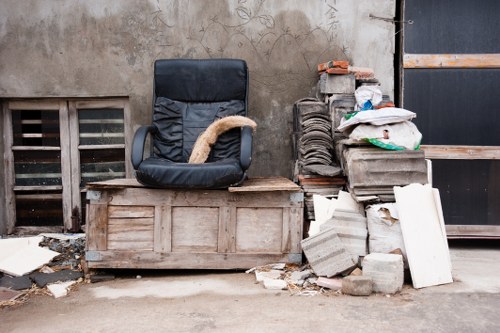
Commercial waste should be handled with disposal routes that suit the material, and that usually starts with basic sorting. Cardboard, paper, metal, wood, plastic and reusable fixtures do not always belong in the same stream as mixed refuse. We aim to direct items toward suitable handling wherever practical, while treating waste that cannot be recovered through the correct disposal route. That balance matters in busy workplaces where waste builds up quickly.
Many businesses prefer a removal plan that recognises both practicality and waste hierarchy. That might mean separating recyclable packaging from general waste, identifying reusable office furniture before disposal and keeping any specialist items apart from ordinary loads. The more clearly the waste is described at the outset, the easier it is to organise collection in a sensible way. Good sorting is often the difference between a tidy removal and a disruptive one.
We also work with collections where the main aim is simply to clear space without creating extra handling for the business. That means taking away the items, loading them efficiently and leaving the area ready for its next use. If there are items that should not be mixed with the rest of the load, it is best to identify them in advance. A short note can help avoid unnecessary delays and keeps the collection focused on the correct material.
Pricing factors and quotation details
Commercial waste removal quotations are usually shaped by the volume and type of material, the ease of access and whether the collection involves lifting from multiple areas. Heavier items, mixed loads, awkward stair access and larger clearances can all affect the amount of work involved. If a business wants a sensible quote, the most useful details are the item types, approximate quantity and any access notes that might alter loading time.
It is also useful to mention whether the waste is concentrated in one room or spread across several parts of the property. A single stack of furniture, for example, may be handled differently from a wider office clearance with scattered items. If you are unsure how to estimate the volume, a simple room-by-room description can be enough. Accurate information at the start makes the quotation process more straightforward and reduces the need for guesswork.
If your plans are still developing, you can still request a quotation based on the information available and add detail later. That works particularly well for planned office moves, refurbishments and phased clearances where the waste builds up over time. The aim is to give you a clear picture of the likely scope so the collection can be arranged without unnecessary back-and-forth.
About Highgate
Highgate is a north London area best known for its village-like streets, historic buildings and proximity to large areas of green space. It sits on higher ground near the edge of Hampstead Heath, and its elevated position has long given it a distinct identity within the wider city. The name is linked to the historic gate on the route to the Great North Road, and the area developed over time from a rural outpost into a recognised suburban district. Today, Highgate combines residential streets, local shops and notable civic and cultural landmarks in a way that reflects both its layered history and its continuing place in London life. One of the most recognisable features is Highgate Cemetery, opened in 1839, which is famous for its atmospheric landscape, wildlife and many memorials of historical interest. The area also includes Highgate School, whose origins date back to the 16th century, and several churches, public houses and terraces that show different phases of architectural change. Nearby Archway and Hampstead Heath shape movement and daily life, while Parliament Hill and the Heath itself provide open views across the city. Highgate’s streets include a mix of Georgian, Victorian and later housing, with narrow lanes and steep gradients that reflect the topography. The district’s character is often associated with independent businesses, conservation-minded streetscapes and a strong sense of place rather than large-scale development. That combination of history, greenery and built heritage makes it a distinctive part of London with a clear identity of its own.
House clearance and mixed premises clearance

Although the focus here is commercial waste removal, some customers need a clearance that includes both business and property content. A house clearance or mixed-premises clearance can be relevant where a building contains an office, storage room or rented unit alongside domestic-style items. In those situations, the work is often less about a single category of waste and more about clearing the space carefully while keeping different item types separate enough for sensible handling.
This type of service is useful where contents have been left behind after a move, where a property has several use areas or where a business occupies a building with mixed rooms. It may include furniture, general clutter, stored materials and items that are no longer needed in the space. The value lies in dealing with everything in a single plan, rather than making separate arrangements for each kind of load. That can simplify the overall process for the customer.
When the clearance involves both commercial and household-style items, it is worth listing the categories clearly so that nothing is misunderstood. If there are objects that must remain in place, make those clear from the outset. A concise description of what is to be removed and what must stay is usually more helpful than a long explanation, and it gives the collection team a better basis for planning.
Specialist item removal and waste streams
Some items need a more specific handling route than ordinary mixed waste, particularly where the material is bulky, heavy or subject to a dedicated disposal process. Depending on the item type, that may include appliances, mattresses, sofas or other items that cannot simply be treated like standard office rubbish. The advantage of a specialist collection is that the waste can be separated and handled with the right method from the outset.
For businesses, specialist removal matters because certain items take up disproportionate space and can interrupt normal operations if they are left waiting in corridors or storerooms. When these loads are cleared in a planned way, they are easier to move from the site and less likely to interfere with staff movement or deliveries. If your waste includes unusual items, it is best to say so plainly rather than hide them within a general description.
We can also support clearances where the main challenge is variety rather than size. A load might include office furniture, old fittings and mixed debris from a refurbishment all together. In that case, the most helpful approach is to identify the separate material groups and then decide how they should be removed. For the customer, the key is not technical complexity but having a service that can treat the waste in a controlled and sensible way.
Booking a collection and arranging access
Once you know what needs removing, the booking process is usually simple. A clear description of the load, the location of the items and any access considerations is enough to begin. If the waste is scattered across several rooms or levels, it helps to mention that in the first message so the removal can be planned accordingly. This is also the point where you can flag whether the collection is part of a larger clearance or a one-off disposal visit.
Two details are especially useful: whether parking or loading access is straightforward, and whether the waste includes any particularly heavy or awkward objects. If the premises have limited access, narrow stairways or shared entry points, say so early. The clearer the instructions, the easier it is to align the collection with the site layout. You do not need to over-explain, but a practical note helps keep the job efficient and avoids confusion on the day.
If you are ready to move forward, request a quotation and outline the items that need collection. You can also use a brief written list if that is easier than describing everything in conversation. For planned waste removal in Highgate, the most useful next step is simply to send the details and ask for a price based on the actual load. That gives you a clear starting point without committing to more than you need.